









































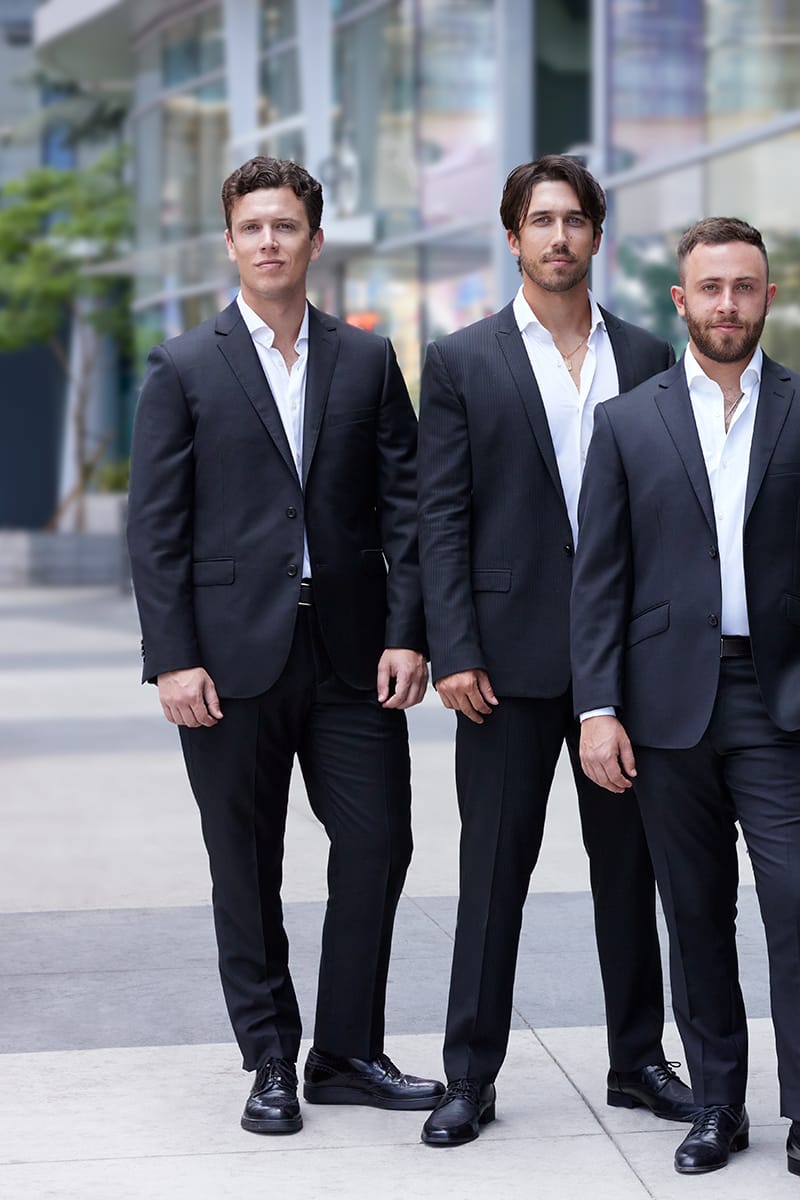
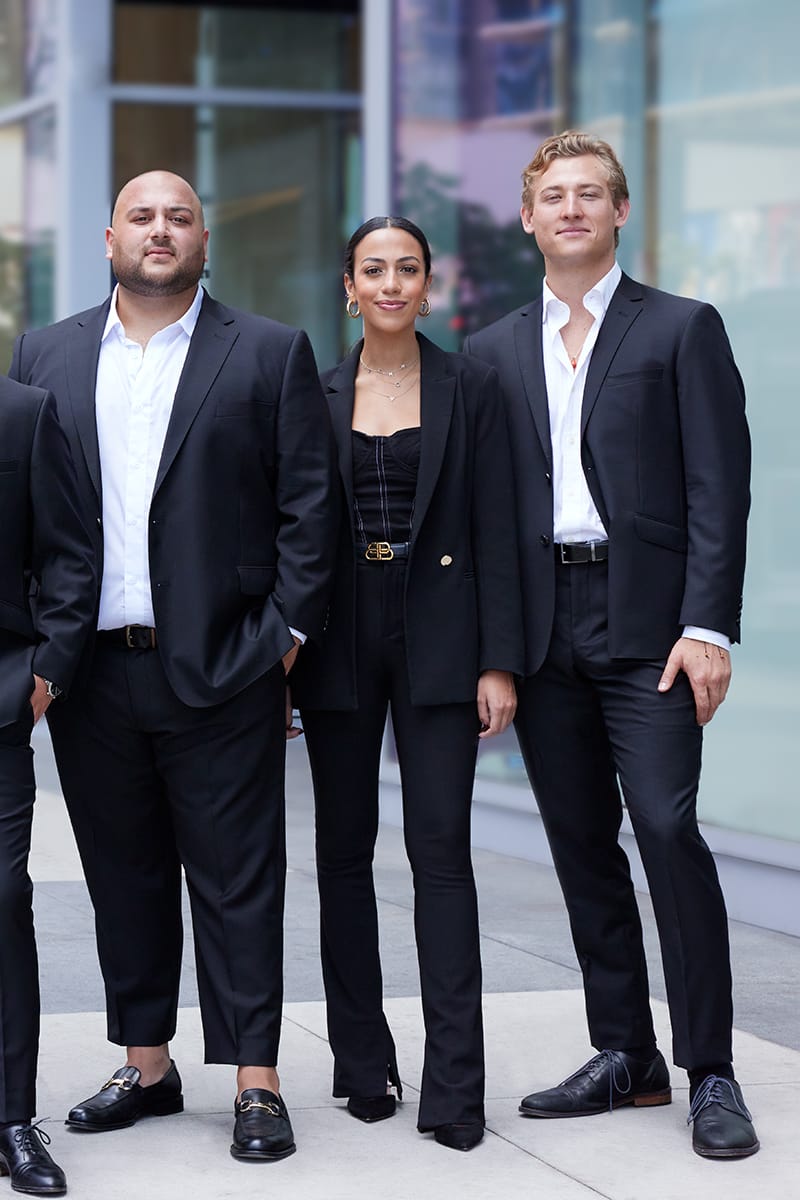



Corporate Headshots That Help Your Team Look Confident, Approachable, and On-Brand
First impressions happen fast. When someone visits your website, reads your email, or checks your LinkedIn page, they often see a face before they read a word. That’s why corporate headshots matter. A strong headshot builds trust, signals professionalism, and helps people feel connected to your team. More importantly, it shows who you are, not just what you do.
You might lead a startup, manage a corporate team, run HR, or support a growing organization. No matter your role, you want your company to look consistent, modern, and welcoming. You also want the process to feel easy for everyone involved. With the right planning and a photographer who knows how to guide people, corporate headshots can feel efficient, comfortable, and even fun.
In this guide, you’ll learn what great corporate headshots look like, how to plan a smooth session, and how to make sure your team shows up looking confident and aligned with your brand.
Why Corporate Headshots Matter for Every Business
Professional images help people trust you. They also help your business stand out in a crowded market. When your team uses consistent headshots across platforms, your company looks organized and credible.
Corporate headshots support your goals in several practical ways:
- They strengthen your brand identity across your website and marketing.
- They improve your LinkedIn presence and team credibility.
- They make your “About” and “Team” pages feel personal and real.
- They help press, partners, and clients put faces to names.
- They support recruiting by showing a polished, human workplace.
Just as importantly, inclusive corporate headshots help everyone feel represented. Your team deserves photos that feel authentic, respectful, and confident—regardless of age, background, gender expression, ability, or comfort level in front of a camera.
What Makes Corporate Headshots Look Modern and Professional
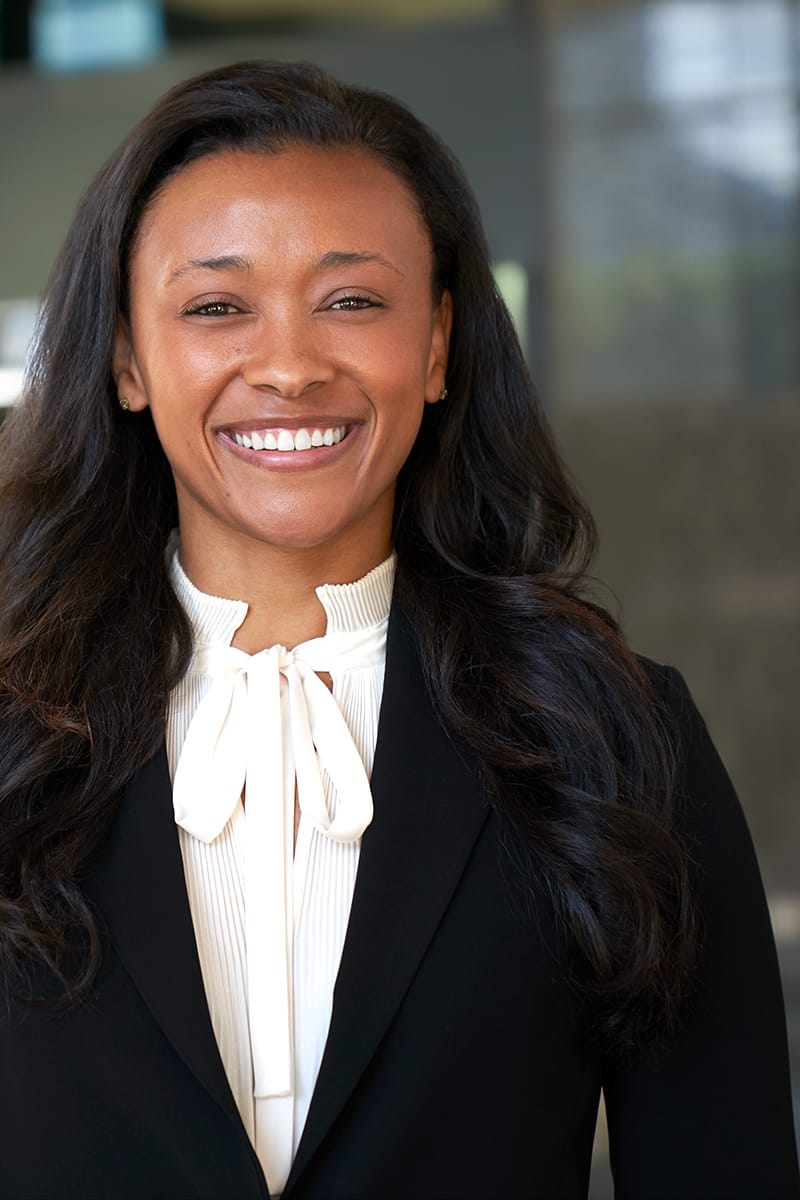
You don’t need stiff poses or forced smiles. You need clarity, consistency, and personality. Modern corporate headshots look professional while still feeling like a real person.
1) Lighting That Flatters Without Looking Fake
Good lighting smooths shadows, brightens eyes, and keeps skin tones natural. It also helps every person look their best without heavy editing.
2) Direction That Helps People Relax
Most people feel nervous at first. A great session includes clear guidance on posture, expression, and small adjustments that make a big difference. When people feel supported, they look more confident.
3) A Background That Matches Your Brand
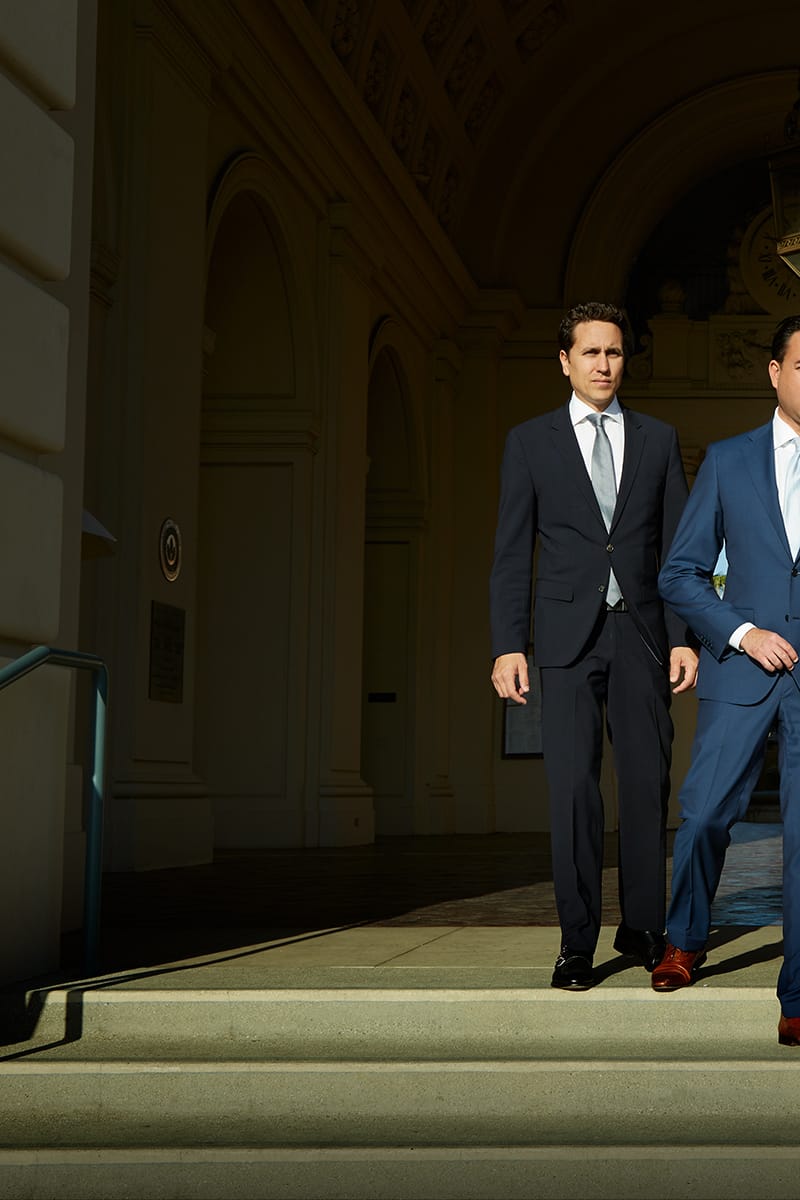
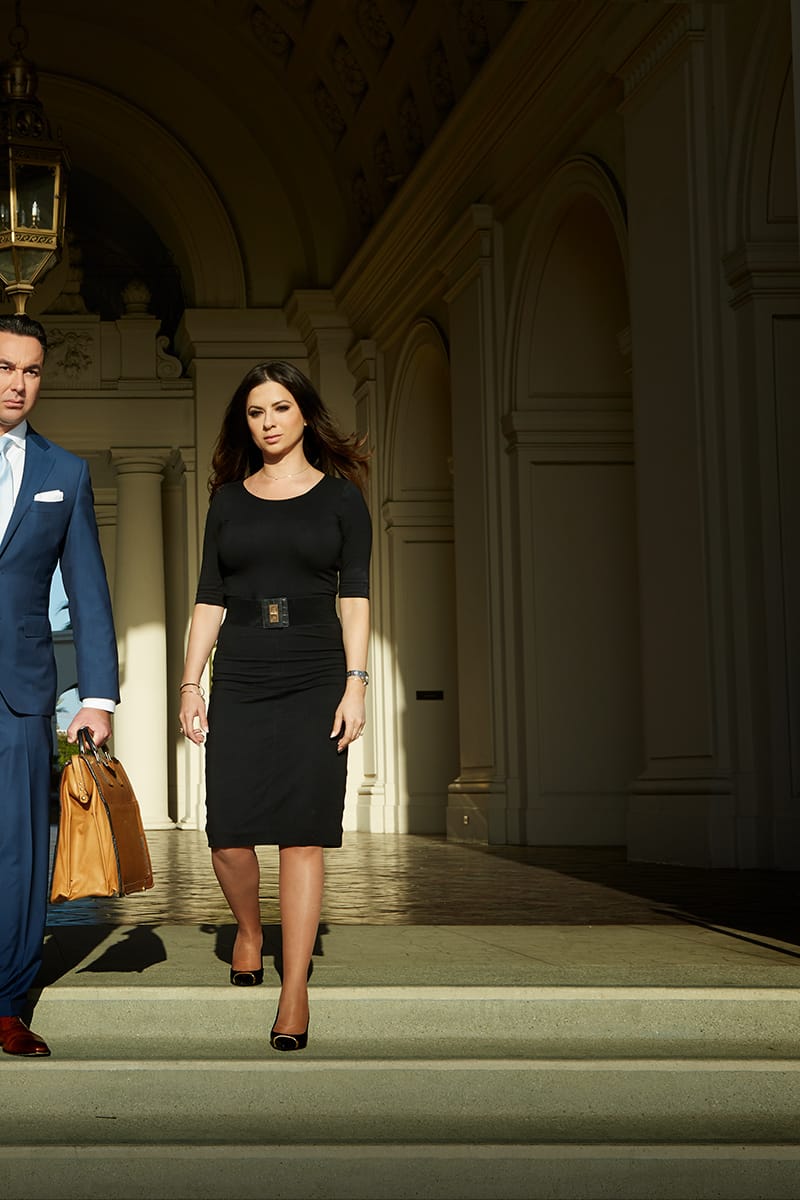
Some companies want clean white or gray backdrops. Others prefer environmental looks in an office, lobby, or outdoor setting. Either way, the background should support the subject—not distract.
4) Consistency Across the Team
A cohesive set of corporate headshots makes your website and LinkedIn team page look intentional. Consistency comes from matching:
- framing and crop
- lighting style
- background tone
- wardrobe guidelines
- retouching approach
Corporate Headshots vs. Business Headshots vs. LinkedIn Headshots
People often use these terms interchangeably, but they can mean different things depending on the goal.
- Corporate headshots usually cover teams and brand consistency across departments.
- Business headshots often focus on professionals, executives, or entrepreneurs.
- LinkedIn headshots prioritize a friendly, approachable image that reads well in a small profile circle.
You can absolutely capture all three in one session. In fact, many teams choose two looks: one traditional corporate option and one slightly more relaxed portrait for marketing or speaking profiles.
Planning a Smooth Corporate Headshot Session
When you plan well, everything runs faster and your team feels more comfortable.
Step 1: Set the Visual Style
Start by choosing the overall look. Ask:
- Do we want a clean studio background or an environmental office look?
- Do we want a bright, airy style or a moodier, cinematic style?
- Do we want strict consistency or more personality per person?
Step 2: Decide Where to Shoot
You have two main options:
Option A: On-site corporate headshots
This works well for teams. It saves time and boosts participation because people don’t need to travel. A photographer can bring studio lighting to your office and create a clean, consistent setup.
Option B: Studio corporate headshots
A studio gives you total control over light and background. It also works well for executives or smaller teams who want a premium, editorial feel.
Step 3: Build a Simple Schedule
A smooth day needs a clear flow. Many teams schedule 10–15 minutes per person depending on the number of looks and whether you include retouching selections. You can also schedule departments in blocks to reduce downtime.
Step 4: Share a Wardrobe Guide
Wardrobe affects the final look more than most people expect. Keep it simple and inclusive:
Great choices:
- solid colors
- subtle patterns
- well-fitted layers (blazers, jackets, structured tops)
- matte fabrics
Avoid when possible:
- tiny busy patterns (they can moiré on camera)
- neon colors that reflect onto skin
- wrinkled clothing
- large logos unless the brand requires it
Encourage everyone to dress like themselves—but polished.
How to Help People Who Feel Camera-Shy
Some team members will feel confident right away. Others may feel uncomfortable. You can still get excellent results for everyone.
Here’s what helps:
- Offer clear direction instead of vague feedback.
- Give people a moment to settle into the space.
- Use small posture changes that create confidence quickly.
- Keep the mood light and respectful.
- Let people see a few frames early so they trust the process.
When people feel safe and supported, their expression softens and their eyes engage. That’s when a headshot starts to feel real.
Executive Corporate Headshots That Communicate Leadership
Executives often need portraits for media, speaking engagements, board bios, and investor decks. These images should communicate confidence, clarity, and approachability.
A strong executive portrait focuses on:
- clean, intentional lighting
- confident posture and relaxed shoulders
- a calm expression (not forced)
- styling that aligns with the leader’s role and brand
Many executives choose a studio look for precision, plus an environmental look for personality and credibility.
Group Consistency: The Secret to a Strong Team Page
A team page can either look polished or chaotic. Consistent corporate headshots fix that instantly.
To create consistency, align:
- background and brightness
- camera distance and crop
- head tilt and eye line guidance
- editing style and skin tone accuracy
- file naming and delivery format
Consistency also helps future hires. When you need to add new team members later, you can match the existing look so the page stays cohesive.
Retouching That Looks Natural and Respectful
Retouching should keep people looking like themselves. The goal is to polish, not to erase personality.
Professional retouching often includes:
- balancing exposure and contrast
- reducing temporary blemishes
- softening harsh under-eye shadows without blurring skin
- cleaning flyaway hairs when needed
- keeping skin texture natural
Inclusive retouching respects each person’s features and identity. It should never change someone’s face shape or erase characteristics that feel meaningful to them.
What to Do With Your Corporate Headshots After the Session
Once you receive your final images, you can use them everywhere.
Use corporate headshots for:
- company website “Team” and “About” pages
- LinkedIn profiles and LinkedIn company page
- email signatures
- Slack/Teams profile photos
- press kits and media requests
- proposals, pitch decks, and investor materials
- conference speaker bios
- internal directories and org charts
Additionally, consistent headshots improve brand recognition over time. When clients see the same polished visuals across channels, they remember you.
Corporate Headshots for Remote and Hybrid Teams
Remote teams still need consistency. You can keep the brand cohesive with a few approaches:
- schedule studio sessions in multiple cities using the same style guide
- host an on-site day for local staff and provide a studio referral list for remote team members
- use a consistent background and editing approach for everyone
The key is planning. When you define the look and deliver clear guidance, you can build a unified team gallery even across locations.
How Often Should You Update Corporate Headshots?
Most companies refresh headshots every 1–3 years. However, you may want new portraits sooner if:
- your brand identity changes
- your website design updates
- your team grows quickly
- leadership changes
- your industry requires frequent media appearances
A regular refresh keeps your company looking current and intentional.
Corporate Headshots That Feel Professional and Human
Your team represents your business. When your headshots look consistent, confident, and approachable, your brand becomes easier to trust. At the same time, when the session feels inclusive and supportive, your team feels seen and respected.
If you want corporate headshots that look modern, match your brand, and help every person feel confident on camera, plan your session with intention and work with a photographer who knows how to lead the process. With the right approach, you’ll end up with images your team actually wants to use—and visuals that strengthen your company across every platform.