
Female Archetypes
Female character archetypes are recurring narrative patterns – recognizable emotional, psychological, and behavioral templates – that help audiences quickly understand who a character is and how she functions in the story. Archetypes aren’t stereotypes; they’re starting frameworks. Strong writing and acting deepen or subvert them.
Below is a clear breakdown of what archetypes are, followed by key female archetypes with strong examples (film & TV), plus notes on how they function dramatically. Once you know which archetypes you play best, capture that range in theatrical headshots built for casting.
Tools: These are internal thoughts that naturally trigger distinct facial micro-expressions.

Girl Next Door
- Warm curiosity / openness
“Oh… I didn’t expect that, but I kind of like it.”
→ Soft eyes, slight smile forming, head tilt - Embarrassed self-consciousness
“Did I just say that out loud?”
→ Eyes dart, lips press then relax, subtle blush energy - Hurt / quiet disappointment
“I guess I mattered less than I thought.”
→ Eyes drop, breath shallow, smile fades slowly - Playful skepticism
“Yeah… I don’t buy that for a second.”
→ One eyebrow lift, corner-smile, slight lean back - Private joy / relief
“Okay. Everything might actually be fine.”
→ Exhale, shoulders drop, genuine soft smile
How to use this as an acting tool
- Don’t perform the line – let the thought land, then freeze for a beat
- Let the eyes react first, mouth second
- Keep it underplayed; girl-next-door lives in restraint
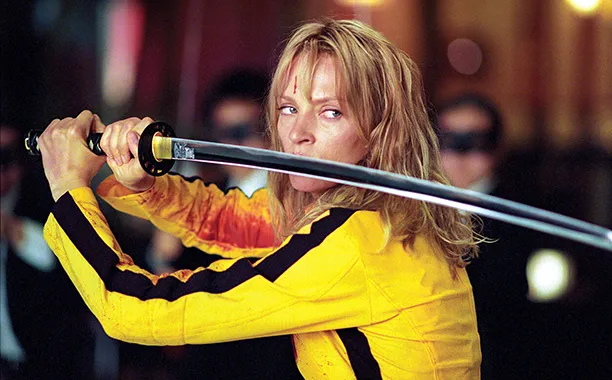
Femme Fatale
This is a sexy, mysterious woman who uses her looks and charm to ensnare men into doing what she wants. An archetype that is used in all kinds of cinema, the femme fatale is predominantly used in thrillers, spy films, and film noir. However, modern movies have leveraged this archetype even in comedies and dramas.
For a tough “bad girl”, the thoughts should feel controlled, guarded, and dangerous-adjacent – emotion is there, but it’s contained. Nothing sweet. Nothing explanatory.
Here are five one-line internal thoughts, each engineered to trigger a distinct, readable expression without softness:
- Threat assessment / dominance
“You’re not as smart as you think you are.”
→ Still eyes, chin slightly forward, no smile - Amused contempt
“That’s the lie you went with?”
→ Micro-smirk on one side, eyes narrow - Wounded but armored
“Touch it again and I’m gone.”
→ Jaw tightens, breath held, eyes harden - Controlled rage
“Say it one more time. I dare you.”
→ Locked stare, nostrils flare, body unmoving - Cold self-reliance
“I’ll handle it. I always do.”
→ Exhale through nose, shoulders square, gaze steady
Performance note (important)
- Bad girls don’t emote outward – the expression comes from what’s being suppressed
- Keep the face economical: fewer muscles, stronger intention
- Let tension live in the jaw, eyes, and breath, not the brows

The Damsel in Distress
An exceptionally popular trope that you are most likely to recognize, the damsel in distress typically presents a vulnerable woman whose peril puts the hero into action. The damsel is often portrayed as popular, beautiful, and of high social status.
The Damsel in Distress – each designed to trigger a distinct emotional read while keeping her sympathetic and watchable. The key is vulnerability without hysteria.
1. Fear trying to stay polite
“If I don’t upset him, maybe this will be okay.”
→ Eyes widen slightly, breath shallow, forced composure
2. Hope flickering
“Someone’s coming… I know they are.”
→ Eyes search upward, lips part, fragile stillness
3. Shame mixed with fear
“I shouldn’t have trusted anyone.”
→ Gaze drops, shoulders curl inward, jaw tremble
4. Quiet plea
“Please see me. Please help me.”
→ Locked eye contact, tear line building, held breath
5. Breaking point
“I can’t do this alone anymore.”
→ Exhale collapses posture, eyes glass over
Performance notes (important)
- Damsel energy lives in restraint, not panic
- Let emotion leak, don’t release it all at once
- Stillness + breath sells vulnerability more than movement

The Manic Pixie Dream Girl
Popular in the comedy genre, the manic pixie dream girl is a quirky, hilarious, and full-of-energy woman who shows up to make a sad guy happy again. Her character’s primary focus is to teach the man to enjoy life, as opposed to having her own dreams and aspirations.
Important to play this light without being empty. The Manic Pixie Dream Girl works best when the energy feels spontaneous, not performative.
Here are five one-line internal thoughts, each designed to spark a different, readable expression while keeping her quirky, buoyant, and emotionally accessible:
1. Delighted impulsivity
“Oh wow – what if we just do it right now?”
→ Eyes light up, quick inhale, grin breaks fast
2. Playful rebellion
“Rules are suggestions, right?”
→ Mischievous smile, head tilt, raised brows
3. Joy as defiance
“If I don’t make this fun, what’s the point?”
→ Bright smile with urgency, bouncing energy
4. Intuitive empathy
“He needs magic more than advice.”
→ Soft eyes, gentle smile, grounding presence
5. Unfiltered wonder
“This is actually kind of beautiful.”
→ Open expression, eyes widen, breath slows
Performance note (to avoid cliché)
- Keep it specific, not zany – quirk comes from choice, not volume
- Let excitement arrive in bursts, then settle
- Even in comedy, listen first, then react

The Mean Girl
A strong Mean Girl isn’t loud cruelty – it’s control, social awareness, and selective kindness used as a weapon. She knows the hierarchy and enjoys enforcing it.
Here are five one-line internal thoughts, each calibrated to trigger a clear, castable expression:
1. Social dominance
“Everyone’s watching – let’s remind them who’s in charge.”
→ Relaxed posture, slow smile, unblinking eyes
2. Weaponized charm
“If I’m nice to you, you’ll owe me.”
→ Sweet smile, eyes calculating, head tilt
3. Dismissive superiority
“You really thought you belonged here?”
→ Eyes half-lidded, micro smirk, minimal movement
4. Public humiliation (controlled)
“Say it again – louder this time.”
→ Polite smile, cold eyes, still body
5. Threat disguised as help
“I’m trying to protect you… from yourself.”
→ Concerned expression masking menace, soft voice energy
Performance notes (this is key)
- Mean Girls rarely look angry – anger gives away power
- Keep reactions small and deliberate
- Let cruelty live in timing, pauses, and eye contact
Additional Emotions
1. Aware (she knows it, but isn’t proud of it)
“I know what you’re thinking… and I wish you weren’t.”
→ Soft eye contact, guarded half-smile, slight retreat
2. Bored (used to attention)
“Is this really the best you’ve got?”
→ Relaxed eyelids, minimal reaction, faint exhale
3. Disarming (weaponized sweetness)
“Smile. They never see it coming.”
→ Open smile that doesn’t reach the eyes
4. Lonely (unseen)
“They like looking at me – just not knowing me.”
→ Eyes soften, lips part slightly, stillness
5. Calculating (quiet control)
“Let him think this was his idea.”
→ Calm gaze, micro-smirk, head perfectly still