- Book a Headshot Session Today. Click a Headshot Package to Book Online. Call Now (317)-522-6206.
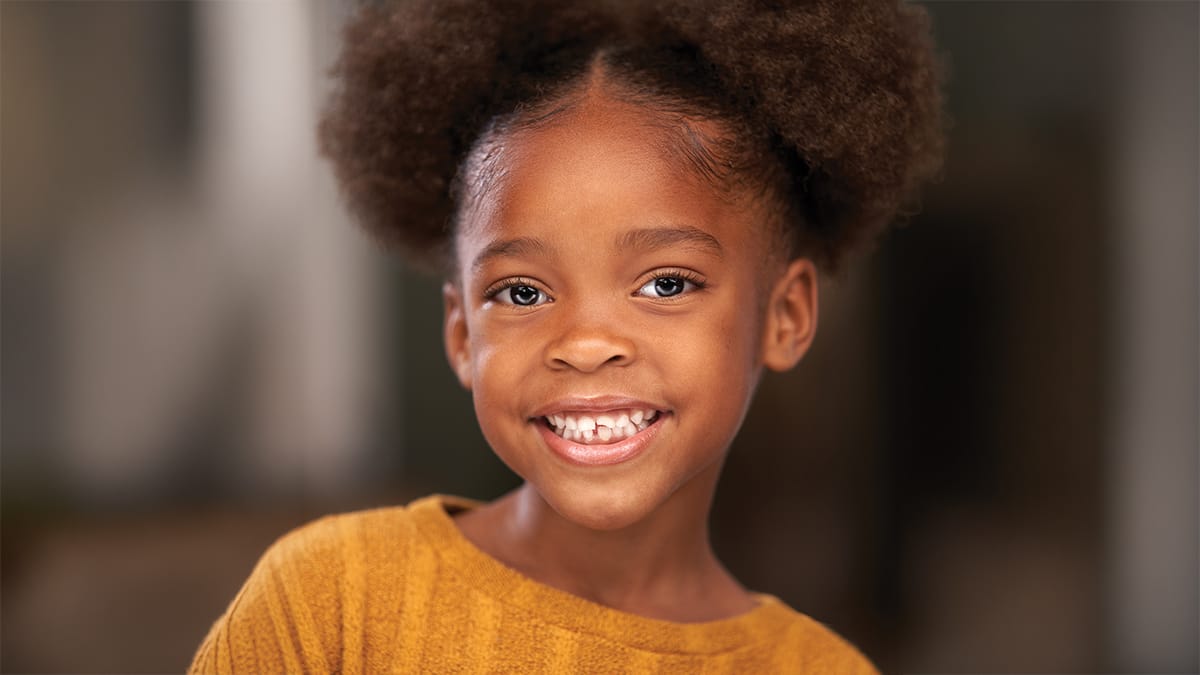
Childrens headshots help casting teams and agencies see your child clearly, confidently, and authentically. A great children’s headshot does more than look cute. It helps casting teams see your child clearly, understand their “type,” and imagine them in a role. Because casting pros move fast, your photos must read instantly. For that reason, you want a simple, modern look with strong eye contact, clean lighting, and natural expression.
When you update childrens headshots regularly, your child’s photos match their current look, which helps submissions feel accurate and professional.
At the same time, your child deserves a calm, supportive experience. Kids perform better when they feel safe, respected, and encouraged. So, the best kid headshots come from a session that feels easy—not stressful.
This guide explains what matters most, how to prep without pressure, what to wear, and how to choose the right photographer. You’ll also learn how many looks to shoot and how to keep images current as your child grows.
Casting directors review hundreds of submissions daily. Therefore, your headshot must communicate “bookable” in seconds. A strong child actor headshot builds trust because it matches your child in real life. When the photo matches the person, casting focuses on performance instead of confusion.
Children also change quickly. Hair length shifts, teeth change, and facial structure grows. As a result, an “old but still cute” photo can hurt more than help. Update headshots regularly so your child always looks like their current self.
High-performing children’s headshots share three essentials:
Sharp focus on the eyes matters most. Clean lighting and a simple background keep attention where it belongs.
Kids don’t need heavy posing. Instead, they need real expressions that look natural and age-appropriate.
A pro headshot still feels real. Light retouching can smooth temporary blemishes, yet it should never change identity. In other words, keep it honest.
Many working kids need both styles. However, you can capture both in one session when you plan wardrobe and expressions.
Commercial casting often looks for bright, friendly, relatable energy. Smiles help here. Also, wardrobe typically feels casual and approachable, like what a real kid wears to school or a weekend outing.
Theatrical casting often values nuance. A thoughtful expression or calm confidence can work well. Wardrobe still stays simple, although you can lean slightly more “story” than “advertisement.”
If your child auditions for both categories, shoot a few smiles and a few neutral looks. That variety gives you flexibility for submissions.
Trendy editing ages quickly. Overly dramatic lighting can also distract from your child’s face. Instead, aim for a modern look that stays timeless.
Most families do best with:
Additionally, choose a photographer who knows how to direct kids. Great coaching creates real smiles, not forced ones.
Preparation helps your child feel confident. Still, you don’t need an intense routine. In fact, simple prep often works best.
Most importantly, keep the vibe positive. Kids mirror your energy. So, when you stay calm, they relax too.
Wardrobe should support the face, not compete with it. For that reason, choose pieces that feel comfortable and fit well.
Also, plan for the role category. For commercial, you can go brighter. For theatrical, you can stay more neutral and grounded.
Keep grooming natural. Clean hair with light styling works great. If your child needs a haircut, schedule it about a week before the shoot. That timing lets it settle.
For makeup, most kids don’t need any. If your child wears light makeup for performances, keep it minimal and age-appropriate. The goal stays the same: let them look like themselves.
Most kids do well with 2–4 looks in one session. Too many changes can exhaust them. Instead, aim for a small set that covers your needs.
A practical plan:
Because kids vary, a good photographer will adjust pacing and breaks. That flexibility helps you get better images.
Most casting platforms prefer a tight crop: face and upper shoulders, with eyes clearly visible. A photographer can deliver multiple crops from the same image. That way, you can submit correctly for different uses.
Common deliverables include:
Also, keep files organized by look and expression. Clear naming saves time during submissions.
Kids change fast. So, update when your child’s look changes.
As a general guide:
However, the real rule is simple: update when casting might not recognize your child from their photo.
Parents help most when they support the process. That means you should stay encouraging while letting the photographer direct.
Helpful parent behavior includes:
On the other hand, constant corrections can tense your child up. So, keep instructions minimal and let the pro guide expressions.
A great photographer for children’s headshots does three things well: coaching, lighting, and consistency.
When you evaluate photographers, look for:
Also, ask about turnaround time, retouching style, and how they handle shy or high-energy kids. A supportive process matters just as much as the camera.
Even strong photos can miss the mark if you make these common errors:
Instead, keep it clean, honest, and current. That approach wins most often.
Not every child pursues TV/film. Still, headshots help across categories.
Because each path differs, tell your photographer where your child submits. Then the session can match your goals.
Before you schedule, make sure you can answer these:
When you plan well, your child shows up relaxed, and the camera captures their real confidence.
The best children’s headshots feel natural, look modern, and represent your child honestly. With the right prep and the right photographer, you’ll get images that casting teams trust and your child feels proud of. Most importantly, you’ll capture your child’s true personality—clearly, confidently, and authentically.