
Modeling Digitals: How to Take Photos Agencies Actually Want to See
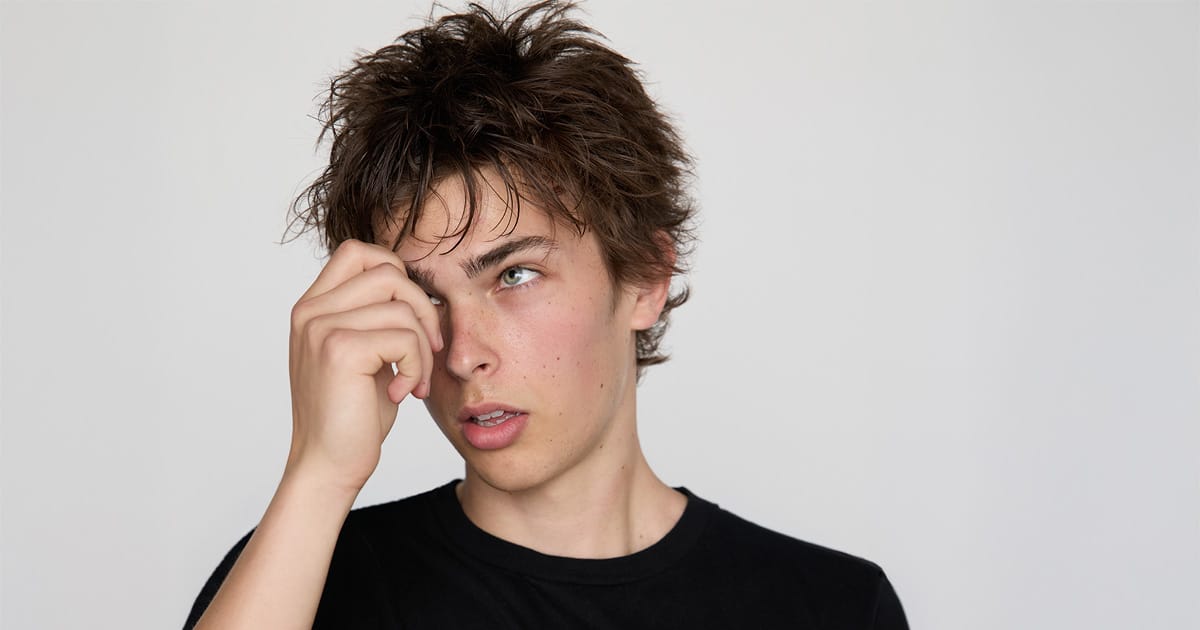
If you’re submitting to modeling agencies, your modeling digitals (also called model digitals or polaroids) matter more than your portfolio. Agencies flip past retouched editorial shots – what they study are your digitals, because digitals show them exactly what walks into a casting. After 18+ years shooting modeling digitals in our Los Angeles studio, here’s what agencies actually want to see, and how to get it right whether you shoot them yourself or book a pro.
What Are Modeling Digitals? (And Why Agencies Call Them Polaroids)
Modeling digitals are simple, unretouched photos that show your natural look: your face, your proportions, your skin, your presence – no styling tricks, no heavy editing. Older agents still call them “polaroids” because they used to be shot on instant film. Same thing, same purpose: an honest snapshot of you, today.
Digitals are usually the first thing an agency opens. If they don’t trust your digitals, they never get to your book.
The Shot List Agencies Expect
Every agency wants some version of these five shots:
- Closeup, no smile – face relaxed, hair off your face
- Closeup, smiling – natural, not forced
- Left and right profile – jawline and bone structure
- Mid-length (waist up) – arms relaxed at your sides
- Full-body, front and side – standing straight, feet together or slightly apart
Some agencies also request a swimsuit look so they can assess proportions accurately. Check the agency’s submission page first – if they list requirements, follow them exactly. Following instructions is part of what they’re testing.
What to Wear for Modeling Digitals
The industry uniform is fitted and dark: a fitted black top with black jeans or fitted black pants. Simple heels for women if the agency requests them. No logos, no patterns, no baggy fits – loose clothing hides your proportions, which defeats the entire purpose.
Hair should be clean and natural, pulled back for at least the profile shots so your bone structure reads clearly. Skip the makeup, or keep it so minimal it’s invisible. No fake tan, no fresh filler, no lash extensions. Agencies want the real canvas.
Lighting and Background: Keep It Boring
Boring is correct here. Agencies want to evaluate you, not your creativity.
- Background: a plain white or light gray wall with nothing on it
- Lighting: soft, even, indirect daylight – face a large window, or step outside on an overcast day
- Avoid: harsh midday sun, mixed indoor lighting, ring-light glare, and anything shot at night
Shoot with the camera at chest height, vertical orientation, and have whoever’s shooting stand far enough back that your body isn’t distorted by the lens. Phone cameras are fine – most digitals are shot on phones – but shoot in good light and skip every filter.
Posing: Less Is More
Digitals are not the place for your editorial angles. Stand naturally, shoulders relaxed, weight even. For closeups, think “pleasant and awake” rather than “smoldering.” Agencies read overposed digitals as inexperience.
Shoot a lot – 100+ frames is normal – then select the cleanest, sharpest, most natural handful for submission.
The 5 Mistakes That Get Digitals Ignored
- Retouching them. Smoothed skin in digitals reads as hiding something. Send them clean.
- Old photos. Digitals older than 3–6 months are stale. If your hair, weight, or skin has changed, reshoot.
- Wrong crops. Don’t send only closeups when the agency asked for full-body, and don’t crop out your feet.
- Busy backgrounds. Your bedroom, a park, a mirror selfie – all no.
- Ignoring the agency’s specs. If they ask for a swimsuit look and you skip it, your submission may be too.
How Often Should You Update Your Digitals?
Working models refresh digitals every 3–6 months, and immediately after any real change – new haircut, new color, significant fitness change. Agencies also frequently request fresh digitals before castings, sometimes with 24–48 hours notice. Having a reliable, repeatable setup (or a photographer on call) is part of being a professional.
DIY Digitals vs. Professional Digitals
You can absolutely shoot acceptable digitals at home with a phone, a friend, and a white wall – and for a quick agency-requested update, you should.
Where a professional session earns its cost: your first agency submissions, a major portfolio refresh, or any time the digitals are the deciding factor. A pro studio gives you consistent lighting that flatters honestly, correct framing on every shot in the list, and direction so you don’t stiffen up – while keeping the images natural and unretouched, exactly the way agencies want them. That’s precisely how we shoot agency-ready modeling digitals: clean white-wall studio setup, the full shot list, no retouching unless you add it.
Quick FAQ
Do modeling digitals need to be professionally taken?
No – agencies accept phone digitals shot in good light. But for first submissions or portfolio-deciding moments, professional digitals remove the guesswork.
Should digitals be retouched?
No. Agencies want unretouched images. Light cleanup is acceptable only if it doesn’t alter your skin, shape, or features.
What’s the difference between digitals and polaroids?
Nothing – they’re two names for the same unretouched snapshot images. “Polaroids” is the legacy term.
What’s the difference between digitals and headshots?
Headshots are polished, lit, and lightly retouched images for casting profiles. Digitals are raw and natural. Working talent in LA typically needs both.
Ready to Shoot Yours?
If you’re in Los Angeles and want digitals that are clean, current, and agency-ready, our modeling digitals sessions cover the full shot list in a simple studio setting – closeups, mid-length, and full-body, with natural direction the whole way. Book online or call 626-247-3873.