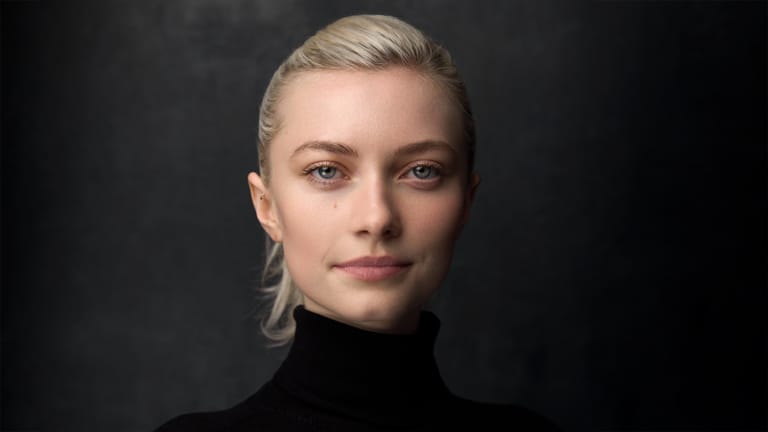
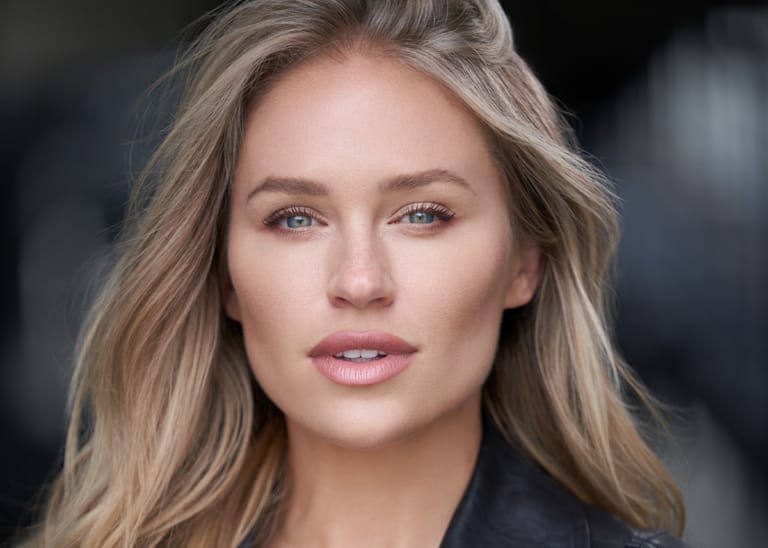
How Often Should You Update Your Headshots?
The honest answer is every one to two years – and sooner if anything about how you look has changed.
That’s a wider range than most photographers will give you, because most photographers have an incentive to say “annually.” Here’s the more useful version: it depends less on the calendar than on whether your photo still tells the truth.
The real test
Forget how old the file is. Ask this instead:
If you walked into the room right now, would the person holding your headshot be surprised?
If the answer is yes, even slightly, it’s time. That’s the whole rule. Everything below is just the common ways the answer becomes yes.
Reshoot immediately if any of these are true
- You cut your hair, grew it out, or changed the colour. This is the single most common reason a headshot goes stale overnight.
- You started or stopped wearing glasses.
- You gained or lost noticeable weight.
- You grew or shaved facial hair. A beard changes your whole read – jawline, age range, the types you’re right for.
- Your age range shifted. If you were playing 22 and you’re now getting called in for 30, your photo is auditioning for the wrong roles.
- You changed what you’re going out for. Moving from commercial to dramatic work, or from ingénue to character, is a different photo.
Why “it still looks good” isn’t the standard
Plenty of people hold onto a headshot for four years because they love it. Understandable – it’s a nice picture of you.
But a headshot isn’t a portrait of your best day. It’s a casting tool, and its entire job is to accurately predict what walks through the door. A photo you love that’s three years out of date is actively working against you: it gets you into rooms you’re no longer right for, and the mismatch is the first thing anyone notices.
Casting directors talk about this. Being remembered as the person who didn’t look like their photo is not the kind of memorable you want.
The drift nobody notices
Here’s the tricky part. You see your face every day, so you don’t register gradual change. Everyone else sees you once, against a photo.
Faces shift more in twelve months than people expect – weight, sleep, sun, how you’re wearing your hair, how you’re carrying yourself after a good year or a hard one. None of it is dramatic on any given day. All of it adds up.
A useful trick: put your headshot next to a recent photo somebody else took of you. Not a selfie – selfies flatter at a distance and angle nobody else sees you from. If the two images feel like different people, you have your answer.
Different rules by category
Actors: every 12–18 months as a baseline, and immediately after any physical change. If you’re early in your career and your look is still settling, lean toward annually. When you’re due, book fresh theatrical headshots so casting sees the current you.
Corporate and LinkedIn: every 2–3 years is usually fine, but update it when you change roles or companies. A photo that predates your current job title quietly undercuts the title.
Models: digitals should be current – many agencies expect them within the last few months, not years. They’re a snapshot of exactly how you look today, which is the entire point of them.
When to book, not just whether
If you know you’re due, the timing that works is before the season you need them for, not during it.
Fall casting and hiring both ramp from September. Shooting in August means you’re submitting with a current photo while everyone else is still using last year’s and scrambling to book a session in October.
Same logic in December for the new year. The people who move first submit with an advantage that costs them nothing.
If you’re on the fence
You’re probably due. Almost nobody wonders whether their headshot is out of date while it’s still working.
Sessions run at the Downtown LA studio in South Park, near LA Live – around an hour, real direction on set, and your full gallery back within 24 hours.